Education Innovation Network (EIN) is a non-profit initiative founded by Dr. Aamir Laghari to bring transformative technology-driven education to underserved schools in rural South Punjab, Pakistan. EIN bridges the gap between traditional learning and the future of technology, empowering the youth—especially girls—to shape their futures.
About Education Innovation Network (EIN)
Founded by Pakistani-American cardiologist Dr. Aamir Laghari, EIN is a non-profit initiative dedicated to uplifting rural education in South Punjab, Pakistan. Our mission is to “bridge the gap between traditional learning and technology, empowering young minds to shape the future.”
Since its inception around 2020, EIN has launched multiple transformative projects. From establishing high-tech AI/computer labs and libraries in underserved schools to organizing collaborative STEM programs, we aim to significantly improve the quality of education, especially for girls, in the Muzaffargarh region.
We believe that with dedication, educational transformation is indeed possible, turning rural schools into beacons of innovation and excellence.
Our Transformative Projects
Aamir Laghari Center of AI
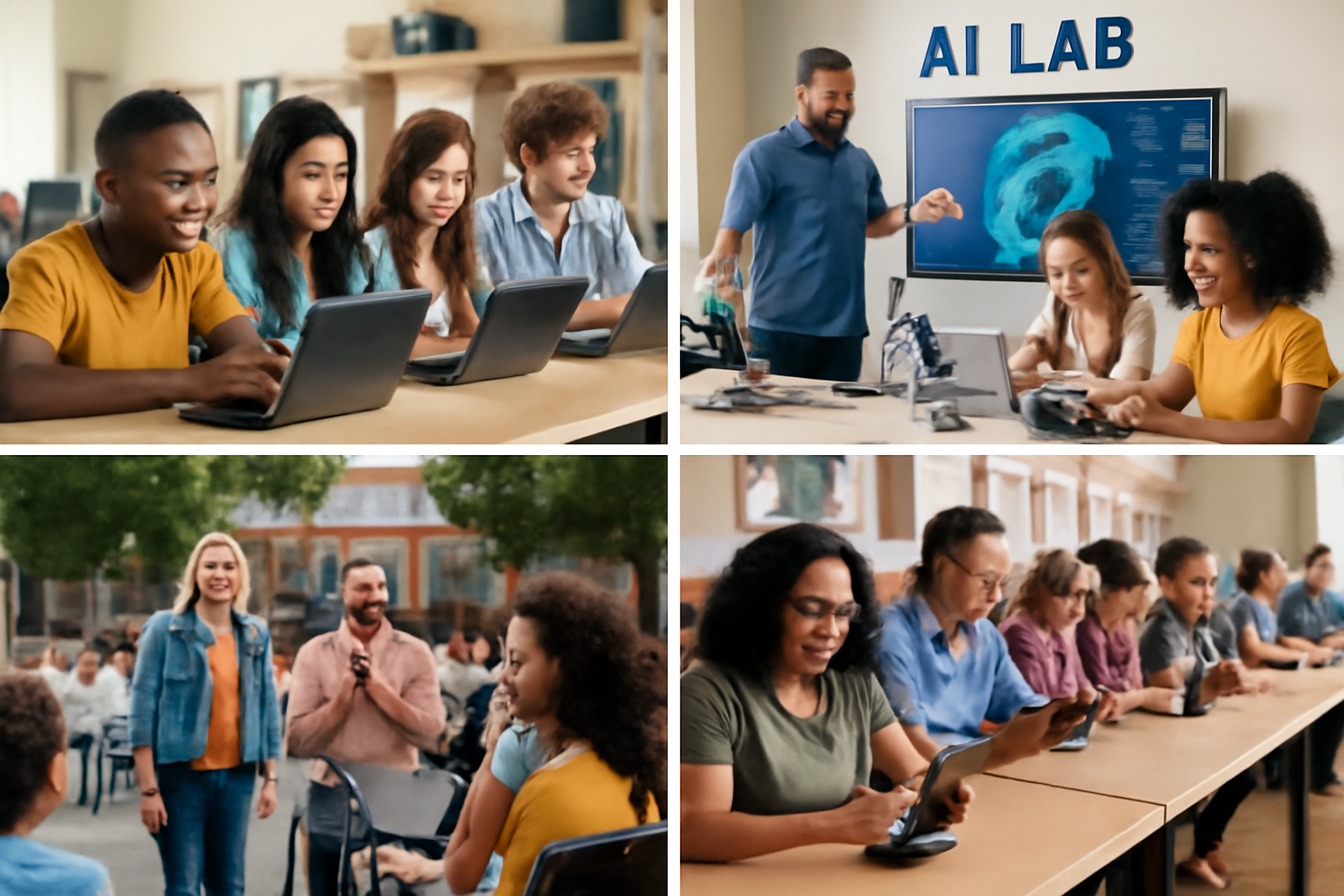
Our flagship project: a state-of-the-art IT and AI learning facility at Govt. Girls High School, Shah Jamal. Launched in Dec 2022, it equips over 300 girls with cutting-edge digital skills like AI, graphic design, and content creation.
- Capacity: ~65 students at a time
- Equipped with ~30 computers
- Focus on girls’ education (grades 6-10)
Expanding AI & STEM Labs
Building a network of modern computer labs across Muzaffargarh. As of April 2025, eight government schools have introduced AI education, opening tech-driven futures for hundreds of students in remote villages.
- 8 government schools with AI education
- Equipped with high-speed internet
- Custom IT curriculum
Public Libraries
An ambitious new initiative announced in mid-2025 by Dr. Laghari to establish a network of public libraries. Inspired by global models, this project aims to foster a reading culture and self-learning opportunities in underserved communities.
- Fostering reading culture
- Providing free access to books and learning materials
- Starting with Muzaffargarh district
Math Circle Initiative
Enhancing mathematics education through collaborative learning. Our ‘1st Annual Math Circle Initiative’ (May 2025), in partnership with LUMS, trained local teachers in modern, creative teaching methods and ignited student interest in math.
- Partnership with LUMS
- Focus on problem-solving and creative teaching
- Empowering math educators
Wasaib Digitization Program
Launched in April 2025, this multi-faceted program provides free laptops and digital skills training to youth across Muzaffargarh. It’s a transformative initiative bridging the digital divide and empowering young leaders.
- Visited 10+ schools
- Free laptop distribution
- Digital literacy workshops
Girls’ School Uplift & Transformations
A core focus across all projects: transforming neglected girls’ schools into ‘centers of excellence’ with improved infrastructure, tech labs, and comprehensive teacher training. Empowering female students and changing mindsets is key.
Holistic infrastructure fixes
Teacher training programs
Mentorship for female students
Media & Coverage
EIN and Dr. Aamir Laghari maintain an active social media presence to document progress, engage supporters, and inspire others. They leverage platforms including Facebook, Instagram, Twitter (X), and YouTube:
Meet the Team Behind EIN
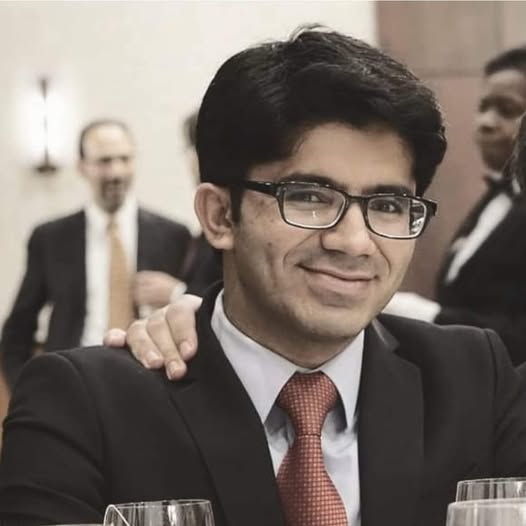
Dr. Aamir Laghari
Founder & Visionary
Strategist and servant-leader. From concept to paintbrush, Dr. Laghari guides EIN’s heart and mission.

Asif Laghari
Programs Coordinator
Ground-level powerhouse coordinating equipment, crews, and execution across Muzaffargarh and beyond.

Musharaf Laghari
Chief Innovation Director
Strategic thinker behind EIN’s AI education and outreach. Designs curriculum, documents impact, and scales digital.
🧑🏫 Educators & Volunteers
Champions like Ms. Sadia Gulzar and LUMS faculty train, teach, and transform. EIN’s academic heartbeat.
🏛️ Government Partners
Policy allies like Mr. Wazir Agha and education officers provide access, legitimacy, and institutional support.
💸 Donors & Supporters
Medical peers, alumni, and the diaspora drive donations of books, computers, and compassion.
📱 Coordination & Communication
WhatsApp, Zoom, and socials knit continents together. One team, many time zones.
Our Network Impact
5,000+
Students Reached
30+
Schools Engaged
20+
Teachers Trained
12
AI Labs Installed
EIN Timeline
August 2020
Initial concept approved. Dr. Aamir Laghari receives the green light to begin an education innovation project in Muzaffargarh. Planning for the first AI lab begins.
2021
Vision shared publicly. A symbolic dedication to Jinnah is made through early project pilots. Fundraising among close circles begins.
2022
MoU signed with Punjab School Education Dept. Construction of the AI Center at GGHS Shah Jamal begins. Local support builds.
Early 2023
Inauguration of Aamir Laghari Center of AI. Weekly IT classes for girls begin. Plans for replication to other schools initiated.
Late 2023
Expansion into other schools. Teacher training workshops and the first “Mustaqbil ki Talash” career conference held.
Early 2024
Partnership with LUMS for Math Circle. Ramadan community support campaigns launched.
April 2024
LinkedIn article by Musharaf Laghari summarizes EIN’s work. Notable completion of six major projects.
May 2024
Possibly the first Science Mela. Students display science projects to the community.
Mid 2024
Additional computer labs completed in schools. Social media buzz grows.
Late 2024
Planning for Math Circle and Wasaib Digitization Program kicks off. Target schools identified.
Early 2025
Focus on boys’ schools and technical collaborations. Partnership with Khanpur Institute of Technology launched.
April 2025
APP covers EIN’s AI school work. Wasaib Digitization Program launched, with widespread laptop distribution.
May 2025
1st Annual Math Circle held. MoU signed with Punjab Education Department for broader collaboration.
June 2025
Fellowship milestone inspires launch of Public Libraries Network. Strategic planning for 2025–26 begins.
July 2025 & Beyond
Plans to expand to other districts. EIN prepares to break ground on its first public library and hold international fundraising events.
🤝 Partnerships and Collaborations
EIN’s work is powered by strategic partnerships—both formal and informal—that enable innovation, access, and sustainability across Muzaffargarh’s public schools.
📘 Punjab School Education Department
Our most vital collaboration is with the Punjab School Education Department. A signed MoU allows EIN to operate within government schools—granting access to facilities after hours, teacher participation in training, and occasional logistical support like utility coverage or security personnel. Senior officials, including Additional Secretary Wazir A. Agha, have publicly praised EIN as a model public-private initiative transforming education in South Punjab.
🎓 LUMS (Lahore University of Management Sciences)
EIN partnered with LUMS for the Math Circle initiative, where faculty members designed and led a mathematics workshop in Muzaffargarh. This collaboration bridges elite academia with rural education and could grow to include coding camps or teacher exposure visits to LUMS in the future.
🏫 Local Universities and Institutes
Institutes like Khanpur Institute of Technology (KIT) and faculty from Bahauddin Zakariya University (BZU) and Islamia University Bahawalpur have advised EIN programs or hosted events. These higher education ties provide mentorship and future academic pathways for EIN students.
💼 Tech Industry and NGOs
While still evolving, EIN shows strong potential for partnerships with organizations like PITB (Punjab IT Board), ITA (Idara-e-Taleem-o-Aagahi), or CARE Foundation. EIN’s rising profile and social media presence have even reached global figures—Ziauddin Yousafzai (Malala’s father) reshared EIN’s education messages, indicating growing recognition. These connections may lead to future CSR support or collaborative projects.
👨👩👧 Community and Alumni
Perhaps the most underestimated partnership is with the local community. Parents, elders, and former students are involved in everything from construction to event hosting. Facilities named after respected locals (e.g., Dr. Ahmad Saeed Khan) foster ownership. Graduates of EIN programs are now volunteering in junior classes or leading community literacy drives, becoming ambassadors for change.
📄 Memorandums of Understanding (MoUs)
-
Dec 2022: MoU with District Education for AI Center construction
-
May 2025: MoU with Punjab Education Department for broad collaboration
-
Ongoing 2025: MoUs in discussion with other districts/institutions
-
Informal Agreements: With LUMS, KIT, and others—these handshake collaborations support content, events, and mentorship
Impact and Outcomes
Digital Literacy and Skills Development
In eight schools equipped with modern computer labs, over 1,500 students have gained hands-on experience with computers and the internet. At Shah Jamal, for instance, 300+ girls now receive practical digital skills training as part of their curriculum.
Students are now capable of creating presentations, documents, and navigating the web—skills once unimaginable in these rural settings. This is opening doors to careers in science, technology, and freelancing.
📎 Source
📈 Academic Engagement and Improvement
While formal exam data is pending, teachers consistently report increased student engagement. Technology is sparking excitement across subjects—students use PowerPoint to enhance biology projects and English vocabulary is improving through exposure to digital tools.
📎 Source
🎓 Increased Enrollment and Attendance
Schools with EIN-supported facilities are becoming local education hubs. Parents are more inclined to enroll their children—especially daughters—because of facilities like air-conditioned computer labs and upcoming libraries. Anecdotal reports suggest reduced dropout rates and greater retention.
📎 Source
💡 Rising Student Aspirations
Students—particularly girls—are dreaming bigger. In Shah Jamal, young learners now express ambitions to become programmers or graphic designers, challenging traditional roles.
Some are already exploring freelance work using skills learned through EIN programs. Events like the Career Conference and Math Circle expose students to role models such as doctors, professors, and tech professionals, fueling their ambitions.
📎 Source
👩🏫 Teacher Upskilling
Over 50 teachers have received targeted training through EIN. Whether learning modern math pedagogy at the Math Circle or mastering new software to teach IT, these educators are now better equipped to inspire their classrooms.
Informal communities of practice are forming—math teachers, for example, now stay connected via WhatsApp groups to share strategies and materials.
🏫 Infrastructure Investment
EIN has built 8 state-of-the-art computer labs, with libraries and smart classrooms also underway. At GHSS Shah Jamal, students now experience interactive learning through digital smart boards, drastically elevating the quality of instruction.
New maintenance practices—such as scheduled lab cleanings and rules like “no shoes inside labs”—are improving long-term equipment care and overall school management.
🧑🤝🧑 Community Engagement and Ownership
Local communities are now active stakeholders in school success. Attendance at events like science fairs and Math Circle has soared, and parents proudly volunteer to protect school property during emergencies.
🏅 Growing Recognition
Though official awards have yet to be announced, EIN’s work has been covered by national media and may soon earn provincial or international accolades. Such recognition can further boost momentum and funding.
🔁 Replication and Expansion
EIN’s model is gaining interest from educators in other regions. On social media, educators and community leaders have reached out to replicate our success.
A notable example: A Twitter user replied “MashaAllah congratulations” to EIN’s updates, signaling national attention.
🌍 The Digital Wasaib Platform
EIN is also building DigitalWasaib.com—a free online learning platform with courses in AI, e-commerce, digital marketing, graphic design, and web development, tailored for Pakistani students.
Though still under development, the platform represents a scalable way to bring skills training to thousands across the country, aligned with EIN’s mission of inclusive and accessible digital education.